

!LTylo100.jpg (12810 bytes) L  A   D  A  T  C  O     T  O  U  R   S
Custom Designing moto web banner.jpg (9711 bytes)
!!!pacolor100.jpg (14505 bytes)
HOME South America Central America Falkland Islands Antarctica Unique
Destinations
Unique
Experiences
Newsstand e-mail

ECU MASHPI aerial vu rainforest.jpg (36187 bytes)

Mashpi

Rainforest Biodiversity Reserve
and Lodge

near Quito, Ecuador

ECU MASHPI gondola.jpg (30638 bytes)


ECU MASHPI butterfly.jpg (8192 bytes) ECU MASHPI flower 2.jpg (26885 bytes) ECU MASHPI bird.jpg (19655 bytes) ECU MASHPI flower.jpg (9637 bytes)

ABOUT MASHPI RAINFOREST BIODIVERSITY RESERVE ACTIVITIES - in their own words:

Dendronautics:
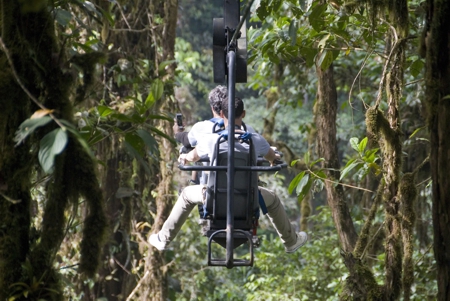
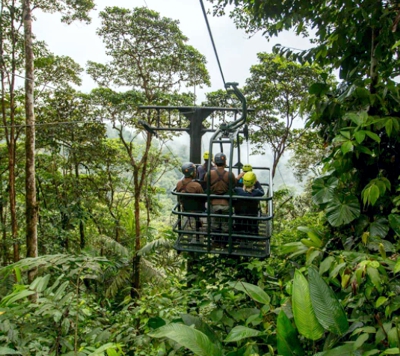
From the Greek words dendron (tree) and nautica (navigation), dendronautics is the exploration of the rain forest canopy. Hop on board our Aerial Tram for an unforgettable extended exploration of one of the Earth's richest and least-explored biomes, the tropical rainforest canopy!

Casa Campesina:
Mashpi is focused on respecting and benefiting the local people and the environment as part of its sustainability goals. Casa Campesina is a hands-on Interpretation Center that provides guests with a better understanding of both the natural and human aspects of the rainforest habitat. It features the chance to meet and get to know a local family, an intercultural experience you will never forget.

Agrotourism:
Casa Campesina is surrounded by plantations of different local products including yucca(manioc), bananas, hearts-of-palm and coffee, allowing guests to harvest their own lunch. Those with a sweet tooth can learn how to turn native cocoa beans into dark chocolate as well as sample the final result.

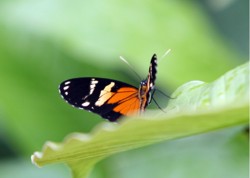
Butterfly Vivarium:
This educational and fun structure houses local species of butterfly that flit around areas that mimic the streams, minerals and wild flowers of the forest outside. Hundreds of caterpillars feed on their host plants in a natural yet protected environment that assures the best development of pupae and butterflies.

Serpentarium: Rainforests support a very broad array of fauna including mammals, reptiles, birds and invertebrates. In the Serpentarium we try to present a different side of one of the least understood of the rainforest creatures: snakes. Learn about the myths and truths that surround them and how they fit into the natural environment.

Saparium Frog Exhibition:
There is evidence that frogs have been around for more than 200 million years, and that they once shared the Earth with dinosaurs. At the Saparium you can enter the fascinating world of frogs, a calm, green oasis where one minute you can hear the water trickle and the next be surrounded by a chorus of rhythmic calls, guttural croaks and high-pitched songs. You'll learn about the frog life cycle and observe tadpoles in every stage of their metamorphosis.

Epiphyte Nature Gardens:
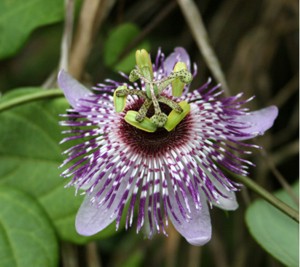
Epiphytes, also called “air plants” because they do not root in soil, grow on other living plants but are not considered parasitic. The best-known epiphytes include mosses, orchids, gesnerias and bromeliads. Ecuador is the top country in the world for the number of classified orchids and Mashpi guests will enjoy an impressive array of orchids found in the Reserve, conveniently collected in attractive, serene gardens.

Tree Nursery:
Run by the local community, the tree and shrub nursery project teaches local farmers and loggers about the natural richness of the forest and conservation of native trees, discouraging extractive and harmful practices. The funds from this project are used for improvement of sanitary conditions, education and organic production in the surrounding villages.

Guided Nature Walks:
Equipped with rubber boots, rain gear and binoculars (provided by Mashpi), you'll be ready for an expedition into the dense green rainforest. Your specially trained local guide will take you along hiking trails that wind through this natural sanctuary, pointing out the unusual flora and fauna and helping you to find nature's hidden treasures and medicines. The interpretation skills of our local team of expert naturalists will be a great way of enhancing the beauty of the rainforest.

Nocturnal Safari Adventure:
Adventurous guests will not want to miss this unforgettable nocturnal guided safari! Once the sun sets on the Mashpi Biodiversity Reserve, many of the most fascinating creatures emerge and become active.

Birdwatching:
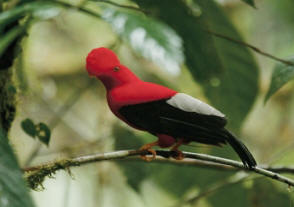
It goes without saying that birdwatchers will absolutely love the Reserve. At Mashpi, however, you'll have the rare chance to hike to a lek (a place of avian courtship: think of it as a birdy singles' bar) where up to a dozen male birds flit from one branch to another in a dazzling stravaganza of colorful plumage displays, sing-song challenges and mating dances as they seek to attract females. This awesome, seldom-seen sight is sure to be one of your favorite memories!

Tulipe Ancient Solar Culture:
On the way to Mashpi you can visit Tulipe, an ancient astronomical and solar observatory. The pre-Hispanic Yumbo culture (800 to 1660 AD) honored the Sun, the greatest deity in the Andean world. Tulipe was an important ceremonial center and features various stone structures, including pools used as water mirrors.

The Pululahua Crater:
Just north of the Equator, the natives considered the crater of Pululahua (“cloud of water”) Volcano to be the navel of the Earth. Standing at the rim of the crater of this dormant volcano, you can feel the energies that account for Pululahua's quasi-mystical power of attraction. The huge crater is large enough to have its own microclimate and has been inhabited for centuries by farmers who till its rich soil in colorful patches. As the clouds stream over the mountain, the serene, surreal landscape comes and goes like a summer dream.

The Equator:
The Equator makes water spin in different directions in different hemispheres...right? The dividing line between the northern and southern hemispheres has fascinated people for centuries, resulting in an over-abundance of myth, legend and hearsay. Stand with one foot in each hemisphere and find out for yourself.